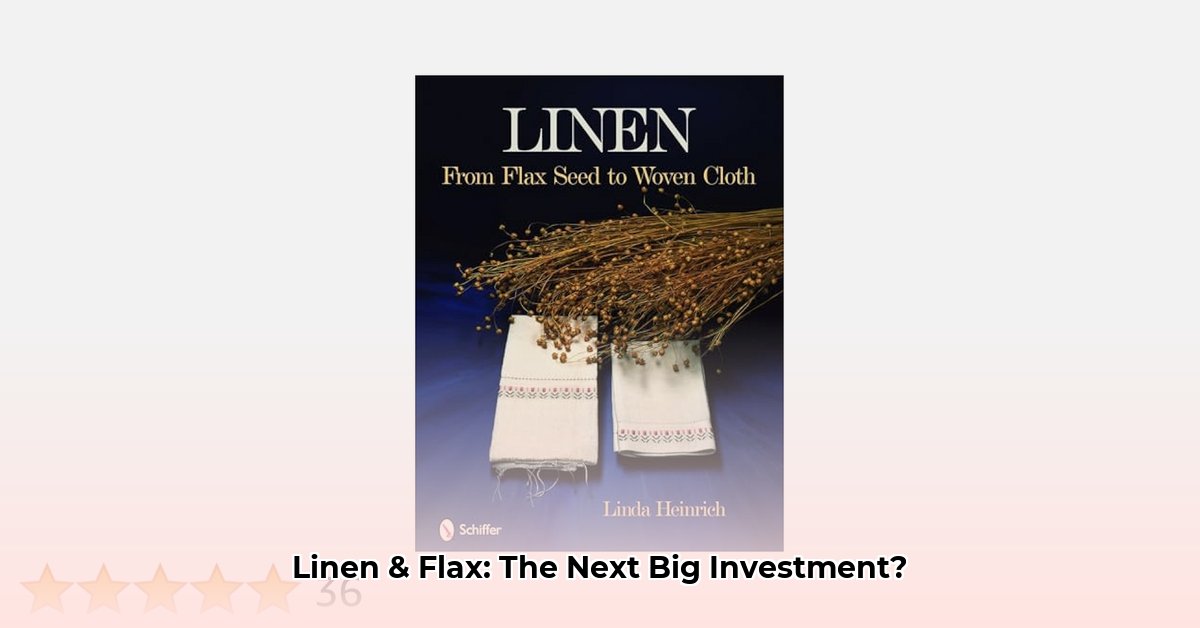
Linen and Flax: A Market in Transition
The linen and flax industry is undergoing a significant transformation. While historically prized for its luxurious quality and durability, the market is experiencing renewed interest driven by growing consumer awareness of sustainability and eco-conscious choices. Revenue growth between 2020 and 2022 demonstrates a positive trend, suggesting a robust future for this sector. But can this momentum be sustained? This report analyzes the current market landscape, highlighting challenges and opportunities, and outlining actionable steps for stakeholders to unlock the full potential of linen and flax.
Navigating the Challenges and Opportunities
The linen and flax industry faces significant headwinds. High production costs, stemming from labor-intensive cultivation and processing, present a major hurdle. Competition from cheaper synthetic alternatives further complicates the market dynamics. However, these challenges also reveal unique opportunities. The inherent premium quality of linen and flax—its durability, hypoallergenic properties, and natural beauty—appeal to a growing segment of environmentally conscious consumers willing to pay a premium for sustainability and longevity. This presents a significant opportunity for value-driven marketing. By effectively highlighting the superior quality and eco-friendly credentials of linen and flax, the industry can create a powerful value proposition capable of driving significant market growth. A well-made linen shirt, for example, can outlast countless cheaper synthetic counterparts, offering a clear return on investment for the consumer.
Stakeholder Analysis: A Collaborative Approach
The success of the linen and flax industry depends heavily on collaboration across its entire value chain. Each stakeholder group—producers, retailers, consumers, and governments—plays a crucial role in shaping the industry's future.
Producers:
- Short-Term (0-1 year): Invest in research to optimize retting processes (the separation of flax fibers from the plant) and experiment with fiber blending to create innovative textiles. A 90% reduction in retting time has been achieved in some advanced trials, highlighting significant potential for efficiency gains.
- Long-Term (3-5 years): Prioritize R&D to improve flax yields through sustainable cultivation techniques. Water conservation strategies are paramount, given the water-intensive nature of traditional flax farming. Moving toward organic practices and more efficient irrigation can significantly reduce environmental impact.
Retailers:
- Short-Term (0-1 year): Implement strategic pricing and effective marketing to emphasize the premium quality, sustainability, and durability of linen and flax products. Diversify your product lines to offer a wider selection.
- Long-Term (3-5 years): Develop close relationships with producers, potentially engaging in direct sourcing to secure high-quality materials and ensure fair pricing. Focus on branding linen and flax as your area of specialization.
Consumers:
- Short-Term (0-1 year): Actively seek out products with sustainability certifications. Value the longevity and premium quality of linen and flax, understanding that higher upfront costs are offset by the products' exceptional durability.
- Long-Term (3-5 years): Continue purchasing linen and flax products, supporting brands committed to sustainable and ethical practices. This consistent consumer demand will encourage industry growth.
Governments:
- Short-Term (0-1 year): Implement financial incentives, such as tax breaks or grants, to encourage sustainable textile production and fund research into sustainable agricultural practices for flax cultivation.
- Long-Term (3-5 years): Invest in infrastructure, including improved processing facilities and water management systems, to support the industry. Develop and enforce policies that promote fair trade and ethical labor practices. "The government's role in supporting sustainable agriculture will be crucial," states Dr. Anya Sharma, Professor of Sustainable Agriculture at the University of California, Berkeley.
Risks and Mitigation Strategies
Several risks could hinder the growth of the linen and flax industry. Proactive mitigation is key.
| Risk Factor | Likelihood | Impact | Mitigation Strategy |
|---|---|---|---|
| Competition from Synthetics | High | High | Leverage linen's unique qualities (sustainability, durability, luxury) to differentiate it. Focus on niche markets. |
| High Production Costs | Medium | Medium | Invest in efficient farming and processing methods. Explore automation to reduce labor costs. Secure supply chains. |
| Limited Availability | Medium | Medium | Diversify cultivation areas. Improve yields through R&D. Partner with farmers to meet growing demand. |
| Environmental Concerns (water) | Low | Medium | Adopt efficient irrigation and water recycling methods. Investigate alternative water-efficient retting techniques. |
The Future of Linen and Flax: A Promising Outlook
The future of the linen and flax industry is promising. Increased consumer demand for sustainable and high-quality textiles, coupled with strategic planning and collaboration across the value chain, points toward significant growth potential. Continued innovation in sustainable farming practices, processing techniques, and marketing strategies will be crucial in unlocking this potential and ensuring the long-term success of this remarkable industry. Does the industry have what it takes to meet the challenge? The answer hinges on proactive innovation and a shared commitment to sustainability.